









The Bill of Exchange: Mechanism, History and Accounting
Index 
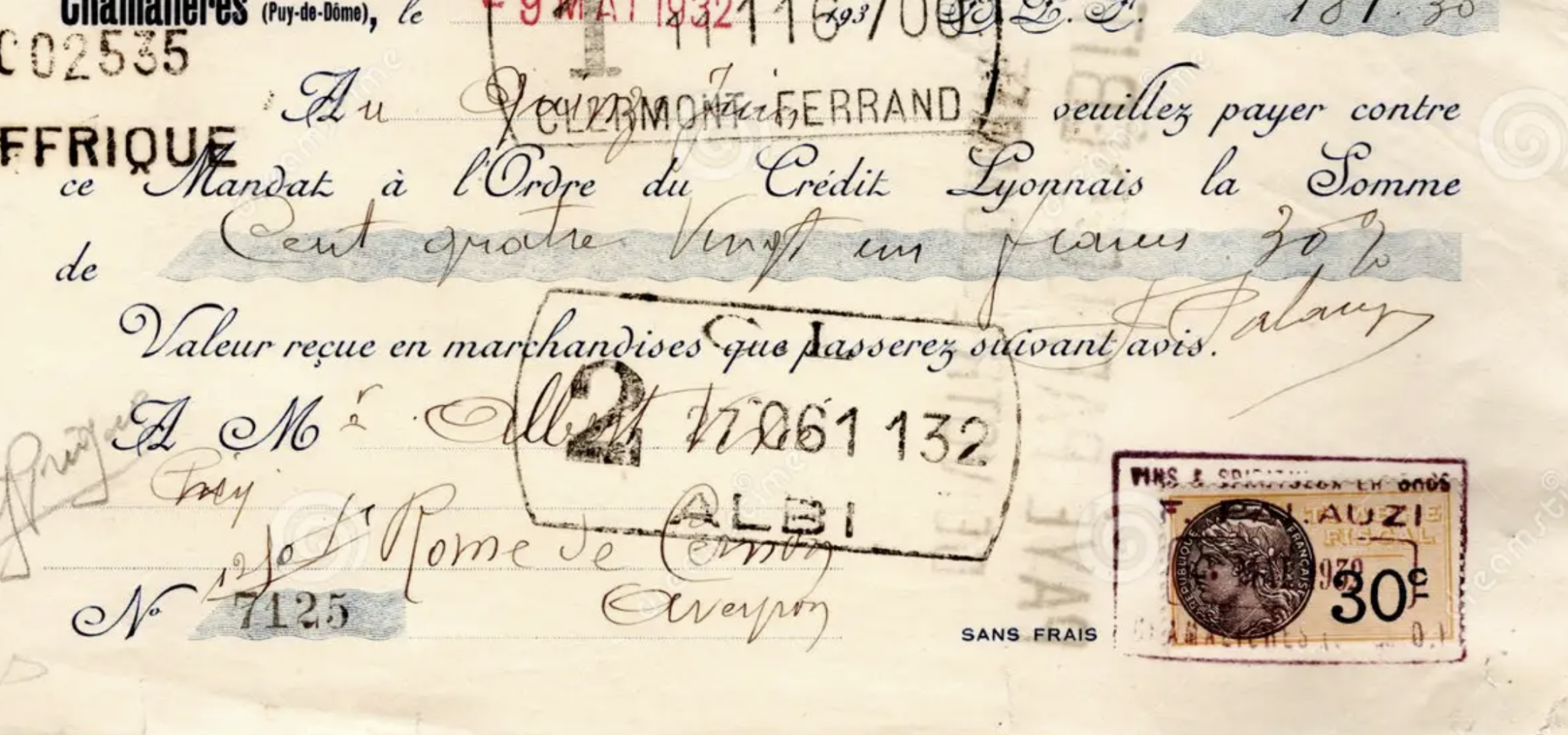
A bill of exchange, often called a draft, is a payment and credit instrument that allows a creditor to demand payment of a specific sum from a debtor on a predetermined date. Unlike a check, it is not payable on demand but at a later date.
An instrument rooted in the merchant tradition
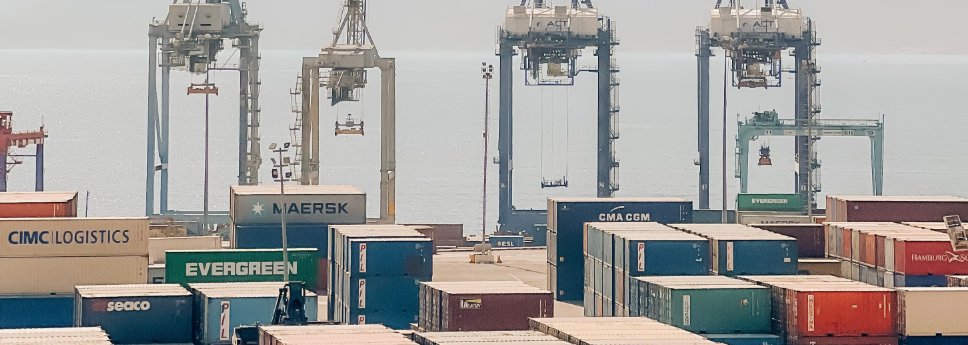
The origin of the bill of exchange is rooted in the Middle Ages. It was designed to secure transactions at major European fairs, thus avoiding the risky transport of cash. Although France makes extensive use of its electronic version (the LCR), this tool is not exclusive to the country. Under the name of Bill of Exchange It is governed by the Geneva Convention of 1930 and remains a pillar of international trade, particularly for securing import-export operations via documentary credit.
Functioning and acceptance
The issuance of a bill of exchange involves three parties:
- The shooter: the supplier who creates the effect.
- The shot: the customer who receives the order to pay.
- The beneficiary: the entity that will collect the funds (the drawer or their bank).
The validity of the commitment is reinforced by the acceptance: the drawee affixes his signature to the instrument, thereby formally acknowledging his debt and his obligation to pay at maturity.
The management phases
Here is a description of the three key phases in processing a bill of exchange:
1. Acceptance (Acknowledgement of the effect)
This step involves transforming an ordinary customer receivable into a negotiable instrument through acceptance by the drawee, which formalizes the commitment to pay at a specific due date.
2. Mobilization through discounting
The beneficiary transfers the security to their bank before its maturity date to request a cash advance, thereby transforming a future receivable into a liquid asset. This process comprises two sub-steps:
- Discounting: This step formalizes the company's intention. The instrument is transmitted to the bank via a "remittance slip." At this stage, the receivable changes status: it is no longer "in portfolio" but "discounted." The accounting entry serves to track the instrument, which is no longer held by the drawer.
- Receiving the credit notice: This step occurs after the bank has agreed to discount the bill. This is the financial settlement. The bank generates a credit note detailing the gross amount, the interest calculation, and any fees. Only at this point does the cash flow become active.
3. Collection at maturity
The bank credits the beneficiary's account with the face value of the bill, after deducting service fees. This process also includes two sub-steps:
- The Deposit for Collection: A few days before the due date, the bill of exchange is sent to the bank for collection. The company no longer holds the instrument but has not yet received the funds. The accounting entry isolates bills "pending collection".
- The actual payment: It occurs after the due date, once the bank has received the funds. It is at this precise moment that the cash flow is debited to account 512 and that the service fees are recorded.
The Bill of Exchange: A French peculiarity or a global practice?
Contrary to popular belief, the bill of exchange is not not a purely French means of payment, although France is one of its most frequent users via the system of the LCR (Letter of Exchange Statement).
1. Un instrument international
The concept is universal and known as "Bill of Exchange" in Anglo-Saxon countries. It is governed by international conventions, notably the Geneva Convention of 1930 which has harmonized negotiable instruments law in many countries to facilitate cross-border trade.
2. Foreign variants
- And Europe: It is used in Italy (Cambiale), Spain (Letra de cambio) or Germany (Wechsel), although its use there is in sharp decline in favor of SEPA transfer.
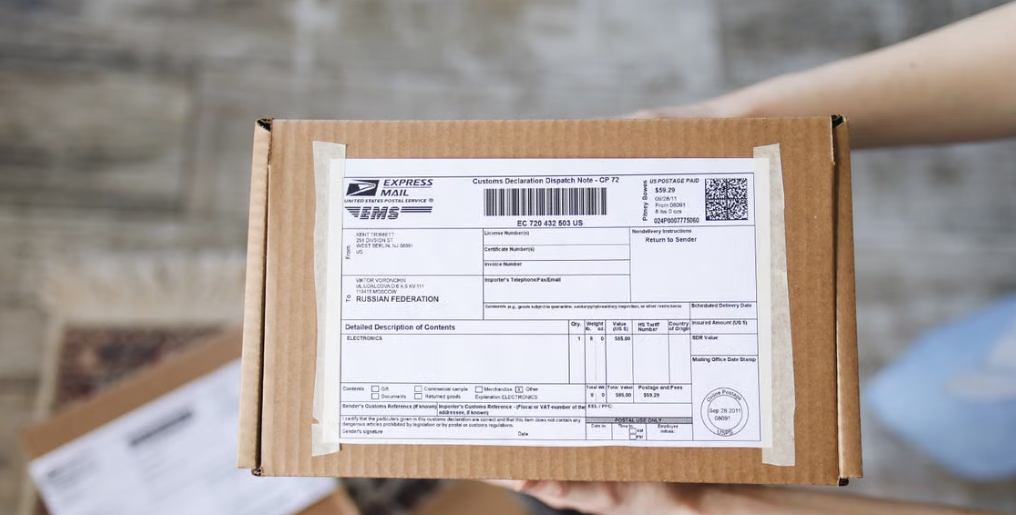
- In international trade:The bill of exchange is a cornerstone of foreign trade (import/export). It serves as the basis for Documentary Creditor to the Documentary Handover allowing an exporter to ensure payment before delivering the goods.
3. The French peculiarity
France is distinguished above all by the dematerialization this tool is very advanced. While elsewhere the "Bill of Exchange" often remains a physical paper document with tax stamps, the French LCR is a magnetic file processed in a fully automated way by the Bank of France and commercial banking networks.
4. United Kingdom: Bill of Exchange
In the United Kingdom, the use of Bill of Exchange is primarily reserved for international trade operations and the structuring ofTrade FinanceLess widespread than the French LCR for current domestic transactions, it nevertheless constitutes a powerful legal instrument for securing the flow of goods and guaranteeing cross-border payments.
The fundamental steps are identical in the United Kingdom, as they respond to the same financial logic of transforming debt into cash, although the technical modalities vary.
The stages of fundraising and disbursement are often combined for accounting purposes. As soon as the Bill of Exchange is discounted (discounting), the receivable is generally removed from the balance sheet in favor of the cash account.
5. The Italian practice: Cambiale and Ri.Ba
In Italy, the classic bill of exchange is called Bill of exchange It comes in two forms:
- The Bill of Exchange:strict equivalent of our bill of exchange (payment order).
- The Promissory Note (or IOU):equivalent to a promissory note (promise of payment).
However, for day-to-day management, Italian companies predominantly use the Ri.Ba (Bank Receipt) It is an electronic receipt sent by the supplier to their bank, which then forwards it to the customer's bank. Unlike a bill of exchange, the Ri.Ba is not an enforceable instrument (it does not allow for immediate seizure in case of non-payment), but it is highly automated.
The process scrupulously follows these three steps, particularly with the system of theBank Receipt (Ri.Ba) or of the Bill of exchangeThe credit phase is often managed under the clause Salvo Buon Fine (SBF), which maintains a form of guarantee until the final settlement at maturity.
In both countries, as in France, initial recognition remains the essential starting point to give the claim its legal force.
Accounting entry templates
The processing of a bill of exchange follows a logic of financial rights transfer, which is reflected in specific accounting entries at each key stage:
1. The stage of recognizing the effect (Acceptance)
This phase transforms the initial customer receivable into a negotiable debt security.
- Then book the 413 (Effects to be received) at Debit (+)
- The 411(Customers) at Credit (-).
2. The Mobilization Process (Discount)
This process is divided into two accounting moments to reflect the transfer to the bank and then the receipt of funds.
The Discount Substep:
- The flow passes through the (+) Debit account 5114 (Discount bills)
- And the Credit to account 413 Customers - Bills receivable (-).
The sub-step of Receiving the Credit Notice:
- then book theaccount 512 (Bank) at Debit (+),
- the account 661 (Interests) at (+) Debit
- the account 627 (Commissions) at (+) Debit regarding costs,
- and the account 5114 Discounted Bills to settle the discount at Credit (-).
3. The cash collection process (At maturity)
This process is used when the instrument is held in the portfolio until its expiry.
The sub-step of Deposit for Collection:
- The stream is recorded at (+) Debit account 5113 (Effects upon collection)
- Credit (-) to account 413 Customers - Notes to be received.
The sub-step of Effective Payment:
- We're stirring things up. and accounts 512 Bank Debit (+) For net amount,
- The account 627 Banking and related services At (+) Debit For service fees,
- And the account 5113 Effects for collection At Credit (-) to settle it.
Data transmission and exchange
Communication au client
To obtain the customer's agreement to a bill of exchange, the supplier has several options, ranging from traditional mail to electronic banking. Here's how these exchanges work in practice:
The traditional postal system
In this historical scenario, the supplier prints the bill of exchange and mails it to their client. The physical document travels to the debtor's office, where they must sign it by hand to indicate acceptance. Once signed, the "accepted" bill must be mailed back to the supplier. This process, while legally sound, remains slow and dependent on postal delivery times.
Dematerialization through the banking circuit (LCR)
This is the smoothest and most widely used method for large volumes. No paperwork is exchanged between the two companies. The supplier simply transmits their file.LCR (Letter of Exchange Statement)to his own bank via the protocolEBICSThe information then travels from bank to bank until it reaches the customer's bank. The customer then receives a notification on their online banking interface prompting them to confirm the payment. Acceptance becomes a digital act, integrated directly into the customer's cash flow.
Direct digital transmission
Halfway between the two, the supplier can send the bill of exchange as a PDF via email or make it available on a dedicated customer portal. The customer reviews the document and can use a secure electronic signature to validate their debt. This method combines the speed of the internet with a personalized business relationship, without immediately involving the banks for the signing process.
From the end of ETEBAC to the generalization of EBICS
The landscape of banking communication has undergone a major transformation with the definitive abandonment of the protocol ETEBAC (Telematic Exchanges Between Banks and Clients). The latter, which relied on the aging X.25 telephone network, is notno longer used since 2011It was replaced by the protocolEBICS (Electronic Banking Internet Communication Standard).
Unlike its predecessor, EBICS uses the Internet as its transport medium while ensuring a high level of security through digital signatures and enhanced encryption. As part of modern customer workstation management,It is now necessary to transmit the bill of exchange electronically to the bank using exclusively the EBICS protocol.This transmission method has become the standard for the secure sending of LCR (Lettre de Change Relevé) files to financial institutions, thus ensuring direct and rapid integration into banking clearing circuits.
Towards the end of the CFONB 160 format and the advent of ISO 20022
The current change no longer concerns the transport protocol, but the very structure of the data contained in the files sent to the banks:
- The "flat" format CFONB 160:This is the historical French format used for bills of exchange. This file is structured in lines of text of 160 fixed characters, a form of technical "concatenation" inherited from old computer systems.Official documentation: Access CFONB standards
- The ISO 20022 XML standard:This international standard is based on the XML language, which is much richer and more flexible than flat formats. It allows for the integration of detailed information, particularly for third-party identification. Official documentation: Standard ISO 20022
The November 2026 deadline:
This date marks a critical turning point. From this period onward, banks will require that the address details of debtors and creditors befully structured(Strict breakdown by street number, street name, postal code, city, etc.) within XML messages. Maintaining addresses in "free text" or using the old 160-character format will become obsolete and subject to bank rejections.
Conclusion
The bill of exchange remains an essential account management tool for financial professionals. It offers greater legal security than a simple invoice and allows for flexible cash flow management through discounting. Although SEPA transfers are gaining ground, the bill of exchange remains the preferred option in French B2B commerce due to the control it gives suppliers over the payment date.




No comments yet.